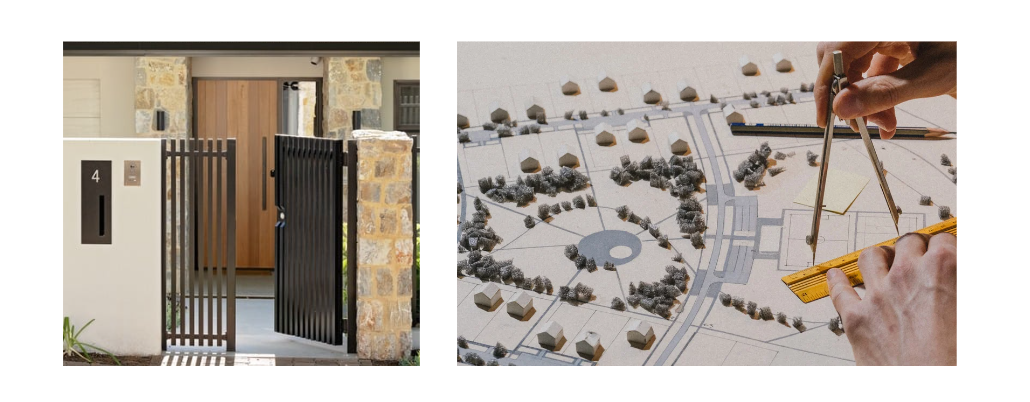
Building a new home in Adelaide is a rare opportunity to create the perfect fit for your family, lifestyle and future. Yet with so many decisions—and tempting upgrades—how do you know where to allocate your budget for the greatest impact? As an experienced custom home builder, Regent Homes helps clients focus not just on “must-haves” and “nice-to-haves”, but also on the features that will genuinely improve daily living and add lasting value.
Here’s how to approach those crucial design and specification choices with clarity and confidence.
Quick Answer: Where Should You Spend and Where Can You Save?
Prioritise spending on the features and finishes that will make the most significant difference to functionality, comfort, and long-term durability—such as floor plan layout, storage solutions, quality windows, and high-use surfaces. Save on decorative upgrades, features that you can easily add later, or seldom-used extras.
The smartest custom home budgets focus on creating a home that works beautifully for your household—not just impressing at handover.
Key Takeaway
A well-prioritised custom home budget is built around your unique requirements, daily routines and plans. Start with the basics – functionality, flexibility, and the features you’ll use most – then spend the rest of your budget on the extras that matter most to you.
1. Identify What Matters Most for Daily Life
Before you spend a lot of money on designer backsplashes or high-end faucets, ask yourself which features will really make your daily life easier. Finding the right balance is what custom building is really about. That means most families have to make choices like
- Floor plan and room sizes that suit your lifestyle, now and in the future
- Our guide on what makes a home feel right goes into more detail about natural light, cross-ventilation and comfortable indoor temperatures.
- Ample, well-placed storage—built-in robes, linen cupboards and a generous pantry
- Durable, easy-to-clean surfaces in kitchens, bathrooms and floors
- High-quality windows and doors for thermal performance and security
A beautiful façade or feature pendant can be upgraded later, but a poorly planned layout is much harder—and costlier—to fix after you move in.
2. Prioritise Floor-Plan Functionality Before Decorative Upgrades
It is important to get the basic layout correct before you start spending money on luxury fixtures or decorative finishes. Diving into a structured design phase for your custom home ensures that your spatial flow, room dimensions, and structural zoning are locked in before you worry about cosmetics.
Use your time (and budget) to ensure the layout and interrelationships between rooms are correct:
- Consider traffic flow between key areas, especially kitchen, living, outdoor and bedrooms
- Think about future flexibility—can a study become a bedroom, or a rumpus be repurposed as your family grows?
- Plan for logical storage near entryways, laundry and bathrooms
- Maximise the connection between indoor living and outdoor entertaining spaces
A thoughtfully designed floor plan often reduces the need for expensive “fixes” later and creates a home that adapts with you.
3. Go for Durability Where It Matters
But not every surface needs to be the most expensive option, and it’s a smart investment to choose durable materials for high-traffic, high-use areas.
- Select quality benchtops and cabinetry in the kitchen, which you use every day and are costly to replace. Low-maintenance flooring for entryways, kitchens and living areas
- Install robust tapware and hardware in bathrooms and laundries
When balancing your budget, it pays to invest where wear and tear is highest. Knowing the art of choosing the right materials for high-traffic zones protects your structural investment while letting you save on easily swappable surface finishes.
Reserve decorative upgrades and luxury finishes—such as feature tiles or statement lighting—for focal points or rooms you’ll use for entertaining, rather than spaces that will see heavy wear and tear.
4. Consider Storage, Lighting and Circulation
Storage is one of the most-requested custom home inclusions—and for good reason. Built-in solutions simplify daily living and help reduce clutter. Light is equally important: prioritise natural light through window placement, but also allow for layered artificial lighting (task, ambient and accent) to suit different times of day.
Everyday comfort relies heavily on how a space breathes and functions. Embracing thoughtful design choices—such as optimised natural lighting, cross-ventilation, and smart built-in joinery—can drastically enhance your day-to-day liveability without inflating your build costs.
Remember to consider “circulation” – the paths people take as they walk through your home. Wide hallways, direct routes from the garage to the kitchen, and logical indoor-to-alfresco access enhance liveability.
5. Distinguish Needs from Preferences (and Features You Can Add Later)
It can be hard to tell a genuine need from a passing preference during the design process. One practical strategy is to list:
- “Must-haves” (essential for function, safety or comfort)
- “Nice-to-haves” (meaningful upgrades that will be used and enjoyed often)
- “Future add-ons” (items that can be easily included later without major disruption)
For example, extra power points, a larger kitchen island or a dedicated study may be “must-haves” for your family. At the same time, feature landscaping, custom joinery or a spa bath might be deferred until after you move in.
6. Understand Trade-Offs and Ask the Right Questions
Every budget involves making concessions. It is important to keep in mind that inexpensive materials and simple finishes are not always the best. If you want to know how options perform over time, you can ask your builder. Some areas could benefit from a few affordable additions, while others require more costly improvements.
Don’t hesitate to ask your Custom Home Builder how design decisions will affect the overall plan, timeline and cost. Regent Homes’ home design process encourages open conversations about priorities, inclusions, and future-proofing—so you get the best result for your budget.
7. Prepare a Practical Priority List Before Final Selections
Go over your list of priorities with your builder before you sign off on your final finishes and inclusions. Picture:
- Frequency of Use of Each Feature or Space
- The cost and complexity of changing or adding it later
- Maintenance requirements and potential long-term savings
- The influence on your daily routines and the things you enjoy doing
While helping you avoid the temptation to overspend on fads, this strategy keeps your decisions firmly rooted in the needs that are actually present in your life.
FAQs
Is it better to spend more on finishes or floor-plan upgrades?
In practical terms, it is mostly the floor plan functionality and storage that matter. You can upgrade finishes later, but it is far more difficult to make layout changes after construction.
Can I add features like a butler’s pantry, or an outdoor living space, or a second living room down the road?
Some features can be added after handover, but planning for plumbing, electrical, and structural elements in advance will help minimise costs and disruption. In your design, discuss potential future additions with your builder.
How to Keep Your Custom Home on Budget
Set clear priorities early; work with a builder who is completely upfront about what is and isn’t included; and don’t be tempted to upgrade every single thing to keep your custom home budget on track. “Always plan for a financial buffer to cover any unforeseen changes along the way.”
How do I know which upgrades are worth it?
Consider how each upgrade will improve your day-to-day life, whether by adding value or reducing maintenance. Get your builder’s advice, explore our Envision 3D design studio, or look at the Regent Homes Portfolio for ideas.
When balancing your budget, it pays to invest where wear and tear is highest.
Conclusion
Smart custom home planning is where ambition meets pragmatism. Contact Regent Homes’ experts in custom home building in Adelaide, or call us directly for expert advice, an open approach to your budget, and a design process focused on your priorities.