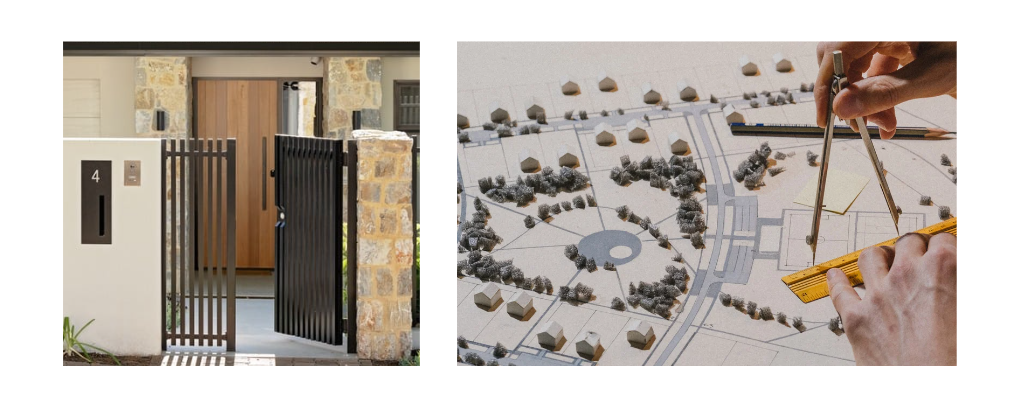
For most people, building a home is one of the most important choices they will ever make. But for many, the process remains a mystery until they’re already in the middle of it, making choices, waiting for approvals, and wondering what comes next. Addressing common questions about costs, timelines, potential delays, and how to handle unexpected issues upfront can help you feel more prepared and confident during the trip.
When you work with a skilled custom home builder who communicates clearly, each step will feel transparent and trustworthy, helping you feel more confident from the first conversation to the day you move in.
It Starts With a Conversation, Not a Contract
Before anything is drawn or priced, understanding how you want to live is crucial. Good planning helps you feel more in control and reduces uncertainty throughout the process.
Many people don’t know how important this step is. A good builder will want to know more than just how many bedrooms you need. What does your family do to get ready in the morning? Do you want a home office that blocks out noise or one that stays connected to the rest of the house? Are you making dinner for two or twelve people at Christmas?
Everything that comes after the answers is based on them. A design is just a floor plan without them. It becomes a home that works with them.
Design and Drafting
Once there’s a clear brief, the design process begins. This is where ideas start taking shape on paper — room layouts, traffic flow, orientation, and the relationship between indoor and outdoor spaces.
Expect a back-and-forth here. Initial drawings are rarely final, and that’s precisely how it should be. This is the stage to ask questions, push back, and refine. Changes made on paper cost far less than changes made on-site.
Your custom home builder should guide this process by raising considerations you might not have thought of—helping you feel supported and confident in your choices.
Approvals and Documentation
After settling the design, the formal approval stage begins. Depending on your site and local council requirements, the process can involve development approval, building consent, and engineering documentation.
This part of the process is largely invisible to homeowners, but it’s vital. A builder with extensive local experience will instill confidence in you by efficiently managing approvals and minimising delays.
It’s not the most exciting stage. But it’s one where experience pays off.
Pre-Construction and Site Preparation
Before a single wall goes up, there’s work to be done on the ground. This phase involves site surveys, soil testing, service connections, and slab preparation.
The pre-construction phase addresses any challenges your block may have, such as a slope, poor drainage, proximity to trees, or unusual soil conditions. A custom home builder who has worked across various sites will have seen most of it before. That experience means problems are identified early, not discovered mid-build.
Construction: Frame to Lockup
This is the stage that most people picture when they think about building a house. The shape of the house begins to take shape as the foundation is laid, the frames are put up, and the roof is added.
One week, things can move quickly; the next, they can move slowly. The order of trades is important: framers come before plumbers, and plumbers come before plasterers. Each step must be done correctly before the next one can start. Not doing things right now can lead to problems years down the road.
During this time, it’s important to update the site regularly and communicate clearly. You should always know what’s going on, what’s going to happen next, and who to call if something goes wrong.
Fit-Out and Finishing
Once the structure is weatherproof, work moves inside. Electrical, plumbing, insulation, plastering, tiling, cabinetry, and painting—the layers of finishing that turn a frame into a liveable space.
This phase is also when your earlier selections come to life. Here, everything comes together: the floor you selected from a small sample, the tapware you deliberated on, and the joinery colour you ultimately chose. Some combinations look exactly as expected. Occasionally, something surprises you.
This is a normal part of the process. A good builder will flag anything that needs reconsideration before it’s locked in, not after.
Practical Completion and Handover
A formal inspection takes place as the build nears completion. You can walk around the house and start writing down the repairs before you give it to them.
Don’t rush through this. Bring someone who hasn’t seen it before. Check every room in natural light, open every door, and turn on every faucet. A good custom home builder will go through a list of problems without complaining, because it’s not just good business to build a home that meets expectations; it’s the standard.
After sign-off, the keys are yours.
After Handover
The relationship doesn’t end at handover. Most builders provide a maintenance period to address any issues that arise, such as settling cracks, minor adjustments, or anything that wasn’t apparent during the inspection.
A builder who stands behind their work will make the process straightforward. One who disappears after handover is a sign that you should have asked more questions at the beginning.
The Thread That Runs Through All of It
At every stage, the quality of the experience comes back to one thing: how well your builder communicates, plans, and follows through.
It’s not just about who has the best display home or the longest list of extras when choosing the right custom home builder. It’s important to find a team that really understands the process, is honest, and keeps your best interests in mind. From the first meeting to the last test, they understand the process, are honest, and keep your best interests in mind.
To do this, you should ask the builders you’re considering how long they’ve been in business, how they communicate, and how they handle issues or delays. If you spot red flags early, you can save time, avoid stress, and have a smoother building experience.
When that relationship is right, building a home stops feeling like a project to survive—it starts feeling like exactly what it should be.